Ever feel like your asset management firm is invisible even though your performance speaks for itself? That ends today. If your clients can’t find you on Google, your expertise starts to slip into the shadows. But don’t worry I’ve got you.
In this guide, I’m sharing SEO strategies for wealth managers and asset managers, an actionable 10-point checklist.
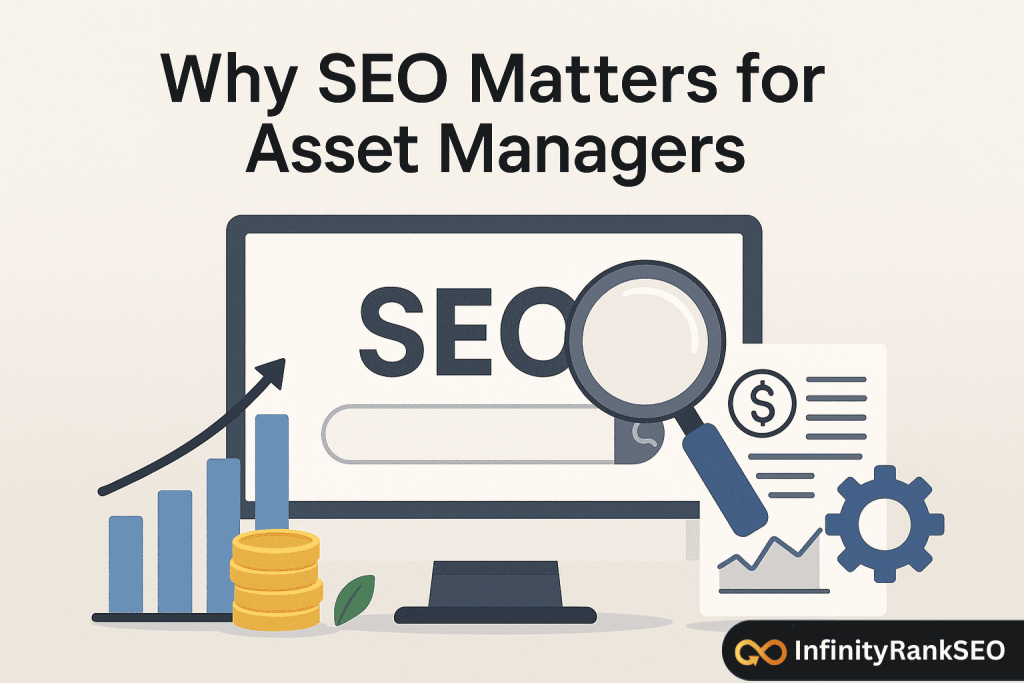
Why SEO Matters for Asset Managers
You might be wondering: Does SEO really matter in the finance industry? The answer is yes more than ever.
- Investors trust Google. Nearly 75% of people never scroll past the first page of results. If you’re not there, you don’t exist to them.
- The right leads find you. SEO connects you with investors actively searching for services like yours.
- Boutique firms can compete. By focusing on niche expertise or local visibility, smaller firms can outrank big players.
10-Step SEO Checklist for Asset Management Firms in 2025
Here’s the actionable roadmap. Treat this as your firm’s digital investment strategy steady, diversified, and built for long-term growth.
1. Run a Technical SEO Audit
Why it matters: A slow, broken website is like handing a client a sloppy quarterly report. It screams unprofessional.
How to fix it:
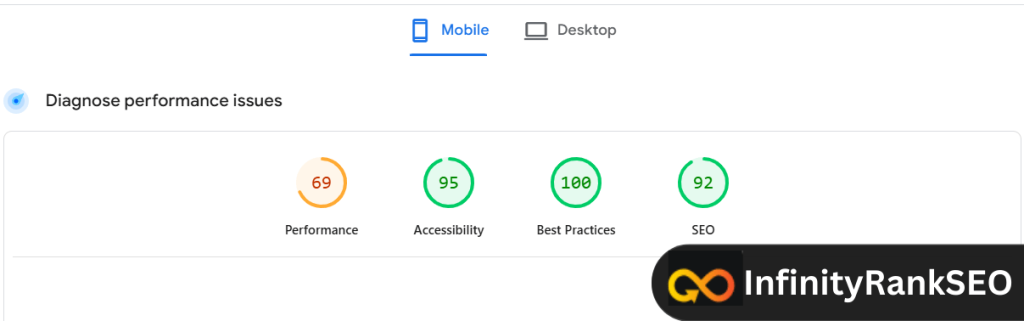
- Test site speed with Google PageSpeed Insights. Aim for <3 seconds.
- Check mobile-friendliness 60%+ of finance searches are on smartphones.
- Ensure HTTPS security Google penalizes insecure sites.
- Use tools like Screaming Frog or InfinityRank to catch crawl errors.
2. Optimize Key Pages with Investor Intent Keywords
Why it matters: Keywords are how investors find you. Without them, you’re invisible.
Action steps:
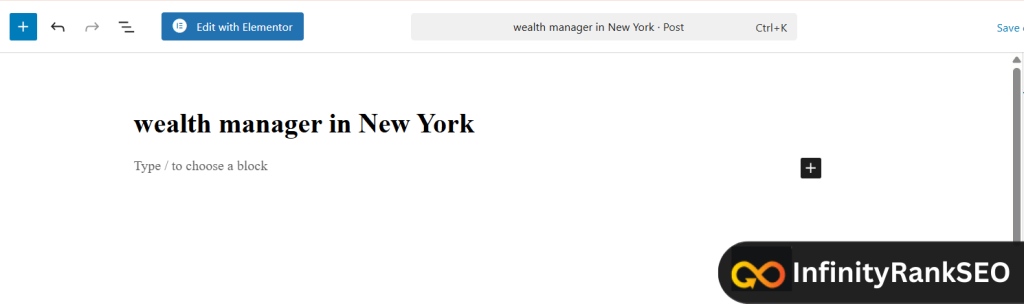
- Identify terms like “wealth manager in New York”, “ESG investment strategies”, “family office services.”
- Place them naturally in page titles, H1/H2 headings, and meta descriptions.
- Don’t overstuff Google now prioritizes helpful content over keyword spam.
3. Claim & Enhance Your Google Business Profile
Why it matters: Local searches (“wealth manager near me”) often lead directly to phone calls and consultations.
Action steps:
- Verify your profile.
- Add office hours, services, and photos.
- Use the “Posts” feature to share updates (e.g., “Q1 2025 Market Outlook”).
- Respond to reviews (compliance permitting).

4. Create Investor-Focused Content
Why it matters: Content answers questions before prospects even ask them. It’s how you prove thought leadership online.
Action steps:
- Publish 2–4 pieces per month.
- Balance evergreen content (“How to Choose a Wealth Manager”) with trending topics (“AI in Wealth Management: 2025 Outlook”).
- Use visuals charts, infographics, case studies.
- Structure content for readability (short paragraphs, clear subheadings, bullet points).
5. Showcase Expertise with E-E-A-T
Why it matters: Finance falls under Google’s “Your Money, Your Life” category. They demand credibility.
Action steps:
- Add detailed bios with credentials (CFA, MBA, etc.).
- Highlight speaking engagements, media features, and awards.
- Include a transparent “About Us” page with firm history and mission.

6. Dominate Local SEO (Even if You’re Global)
Why it matters: Investors often prefer nearby advisors even if you serve globally.
Action steps:
- Create geo-targeted landing pages (“Asset Management in London”).
- Add location keywords in copy and metadata.
- Use local schema markup for address, phone, and services.
- Track rankings for “near me” and city-specific keywords.
7. Build High-Quality Backlinks
Why it matters: Backlinks are the digital version of referrals. The more trusted your referrers, the stronger your reputation.
Action steps:
- Contribute guest posts to finance publications.
- Collaborate with associations, chambers of commerce, or universities.
- Share research or insights that others will cite.
8. Use Structured Data (Schema)
Why it matters: Schema markup helps Google understand your content and reward you with rich results.
Action steps:
- Add FAQ schema for question-heavy pages.
- Use Organization schema for firm details (logo, address).
- Implement Service schema for offerings like asset management, ESG, or family office services.
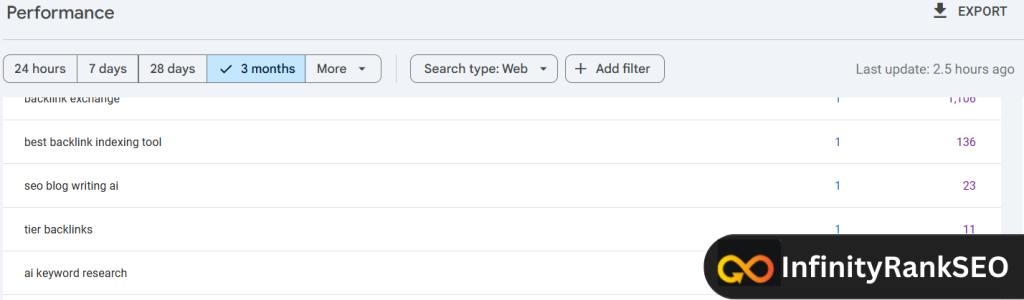
9. Track, Measure & Refine
Why it matters: You wouldn’t manage a fund without performance metrics. SEO deserves the same discipline.
Action steps:
- Use Google Analytics 4 to track conversions (form fills, consultations).
- Monitor keyword rankings in Google Search Console.
- Measure bounce rates and adjust content.
10. Refresh Evergreen Content Quarterly
Why it matters: Outdated information kills credibility and rankings.
Action steps:
- Review content every 3–6 months.
- Update stats, insights, and data points.
- Consolidate thin content into comprehensive resources.
Final Thoughts
SEO isn’t about tricking algorithms it’s about showing up where your clients already are. For asset managers, that means being visible, credible, and helpful on Google.
Start small: optimize one key page, publish a guide, or claim your Google Business Profile. Each action compounds, just like interest. Over time, these SEO best practices for asset management firms will strengthen your digital footprint, attract new investors, and build the trust your brand deserves.
FAQs
How long does SEO take to work?
Typically 4–6 months for noticeable gains. Like investing, consistency compounds over time.
Can SEO be done in compliance-heavy industries?
Yes. Focus on factual, educational content. Avoid performance promises or exaggerated claims.
Do backlinks still matter in 2025?
Absolutely. Quality backlinks from reputable finance publications remain one of Google’s strongest ranking signals.
What keywords should I target?
Mix service-based (e.g., “wealth management services”), niche (e.g., “impact investing strategy”), and investor questions (e.g., “how to choose a wealth manager”).
Can boutique firms outrank large players?
Yes especially on local and niche topics. Smaller firms are often more agile in producing targeted content.
Is local SEO worth it for global firms?
Definitely. Even global investors often start searches locally. Ranking in city-specific searches builds trust.